01
Part identity
Give each part a name or number, drawing revision and contact person. State whether the request covers one part or an assembly.
 LCFETPrecision CNC Manufacturing
GET A QUOTE
A concise request helps a machine shop understand the part, the features that matter and the delivery target. Use this checklist before requesting a quote for custom CNC turned, milled or turn-milled parts.
These details let a supplier review the same part definition you intend to buy. If an item is still undecided, label it as open instead of leaving an unexplained gap.
Give each part a name or number, drawing revision and contact person. State whether the request covers one part or an assembly.
Attach a 3D model and a controlled 2D drawing where available. Identify the file that governs tolerances and notes.
State the exact grade and condition, or ask the supplier to review an alternative explicitly. “Aluminum” or “steel” alone may be too broad.
Separate prototype, first batch and expected repeat quantities. Quote the quantities you actually want compared.
Mark fits, threads, datums, mating faces and other features that control assembly or function on the drawing.
Define surface finish, coating or treatment and any inspection report or material documentation needed.
Give the delivery country or address, target date and any packaging or shipping documentation requirements.
A model communicates shape; a controlled drawing communicates requirements that may not be explicit in the model. Keep part numbers and revisions consistent across both.
| Item | What to include | Why it helps |
|---|---|---|
| 3D model | STEP or IGES where available, with the correct part revision. | Helps review geometry, access, workholding and material removal. |
| 2D drawing | PDF with part number, revision, dimensions, datums, tolerances, threads and notes. | Identifies the controlled requirements for manufacture and inspection. |
| Assembly context | Mating part or interface information when fits and orientation depend on an assembly. | Clarifies which surfaces and relationships matter most. |
| Change notes | List changes since the previous revision and state which files supersede older ones. | Reduces the chance of quoting or making the wrong version. |
If a 3D model is unavailable, send the best controlled drawing you have and note any dimensions or requirements still to be confirmed.
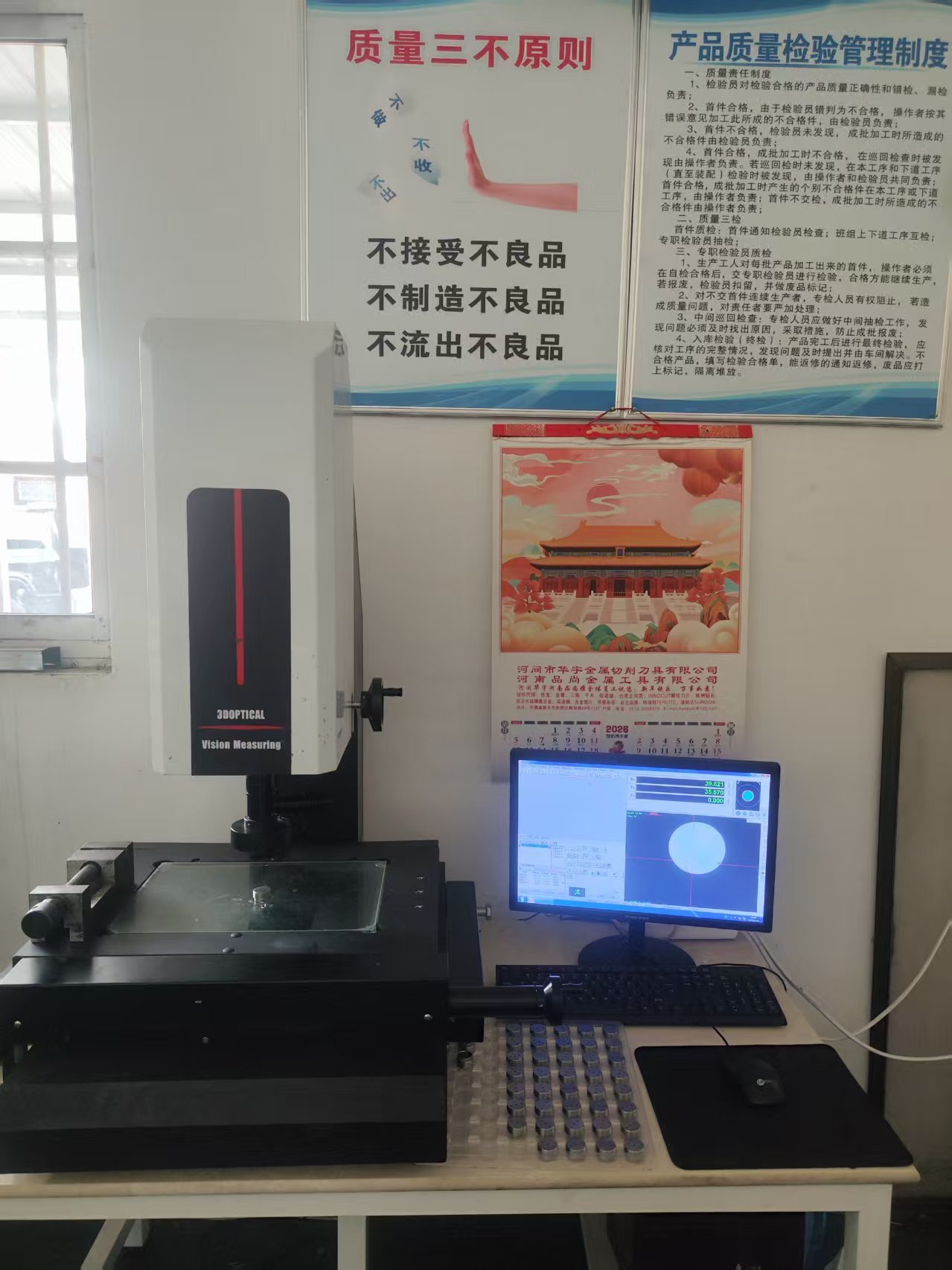
Identify critical dimensions and their reference datums, required threads and fits, surface treatment, inspection scope and requested records. State any acceptable material or finish alternatives separately, so the supplier does not assume they are approved.
Ask for process advice if needed. A buyer can specify what the part must meet without choosing turning, milling or turn-milling in advance; the route is reviewed against the complete drawing.
Replace the brackets with your project details and attach the current files. The outline keeps technical and commercial assumptions visible for both sides.
| Field | Example wording to complete |
|---|---|
| Subject | RFQ — [part number] — [revision] — [quantity] |
| Part & files | Please review [part name]. Attached: [model file] and [drawing file], revision [X]. |
| Technical | Material: [grade/condition]. Critical features: [drawing references]. Finish: [requirement]. |
| Quality | Please include [inspection points/reports] and advise if any requirement needs clarification. |
| Commercial | Please quote [prototype quantity] and [batch quantity] separately. Delivery to [country/location] by [target date]. |
| Open items | Items awaiting confirmation: [list]. Please state any assumptions or proposed alternatives in the quote. |
Send only information you are authorized to share. If files are controlled by your organization, follow its approved supplier and document-sharing process.
A short clarification before quotation can prevent a much larger change after production planning.
The model and PDF show different versions. Identify one controlled revision and describe the changes.
A generic material name leaves strength, machinability, finish and procurement assumptions open.
Functional surfaces or thread specifications are described only in email. Put controlled requirements on the drawing.
Prototype and production quantities, inspection deliverables or destination are mixed together. Request separate quote lines where useful.
Use these guides for process selection and a fuller explanation of inspection requirements.
Email LCFET your part files, quantities and requirements. We will review the information and identify any items that need clarification before quotation.